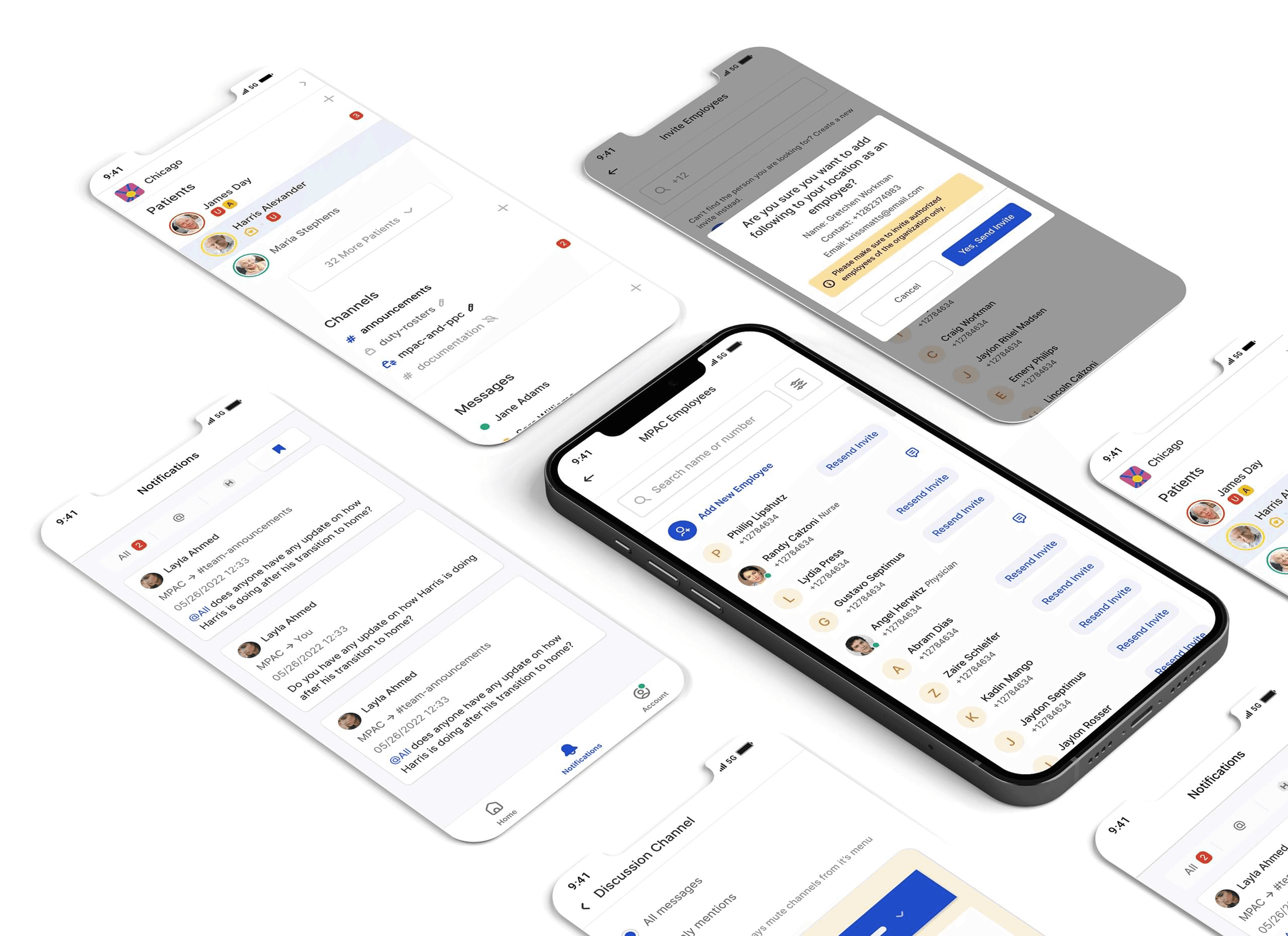
Origin Design System
Built for designers, engineers, and product teams
Origin Design System is a tokenized, scalable system designed to be built, maintained, and evolved collaboratively—without sacrificing consistency or speed.
Client
Hucu
Year
2021
Problem
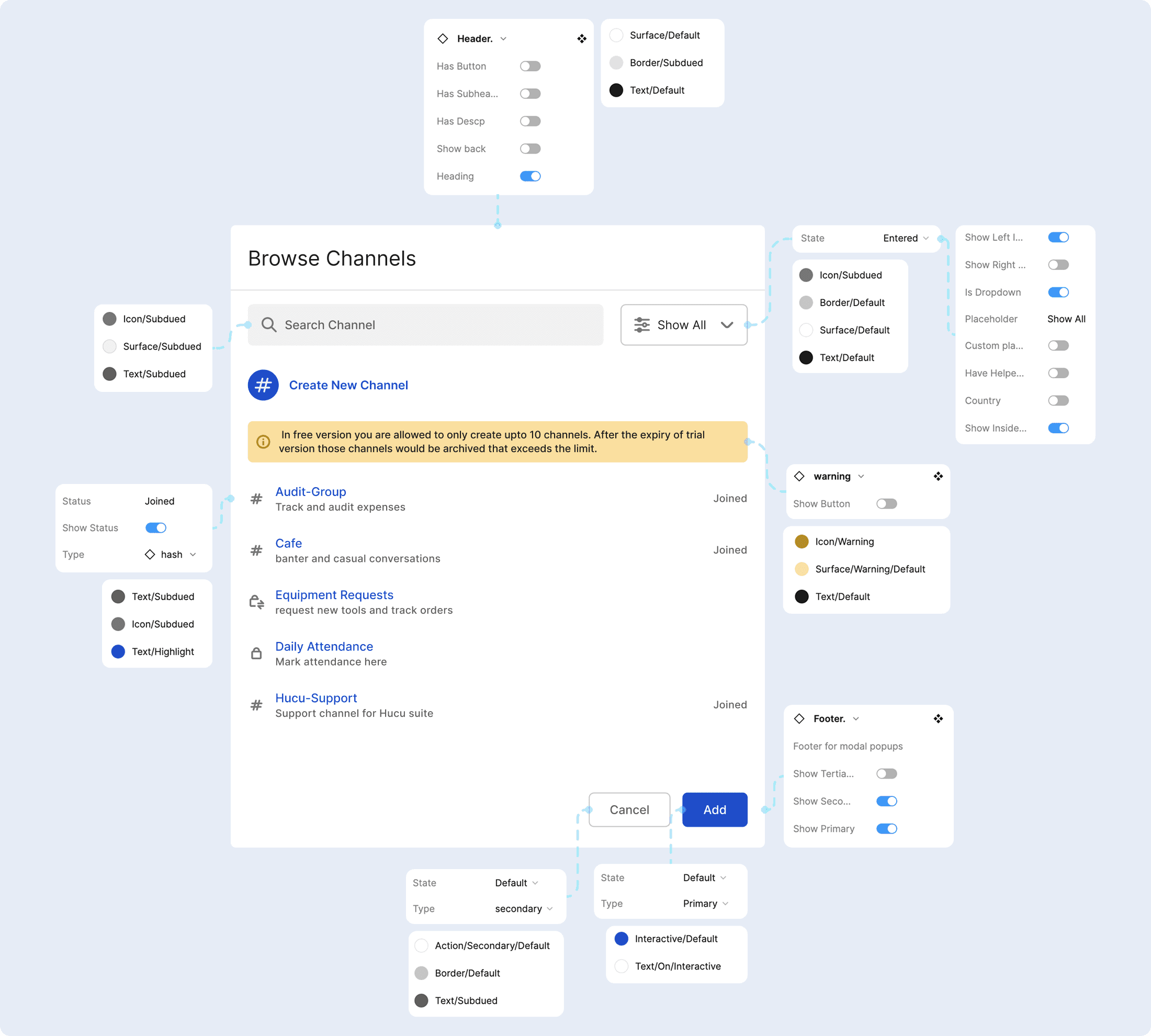
Hex codes are as abstract as register values in assembly language. Without structure and naming, they’re difficult to reason about at scale.
The Insight
Design is a visual language. Without shared rules, interpretation becomes subjective—making reuse, consistency, and collaboration harder over time.
Is all this complexity worth it?
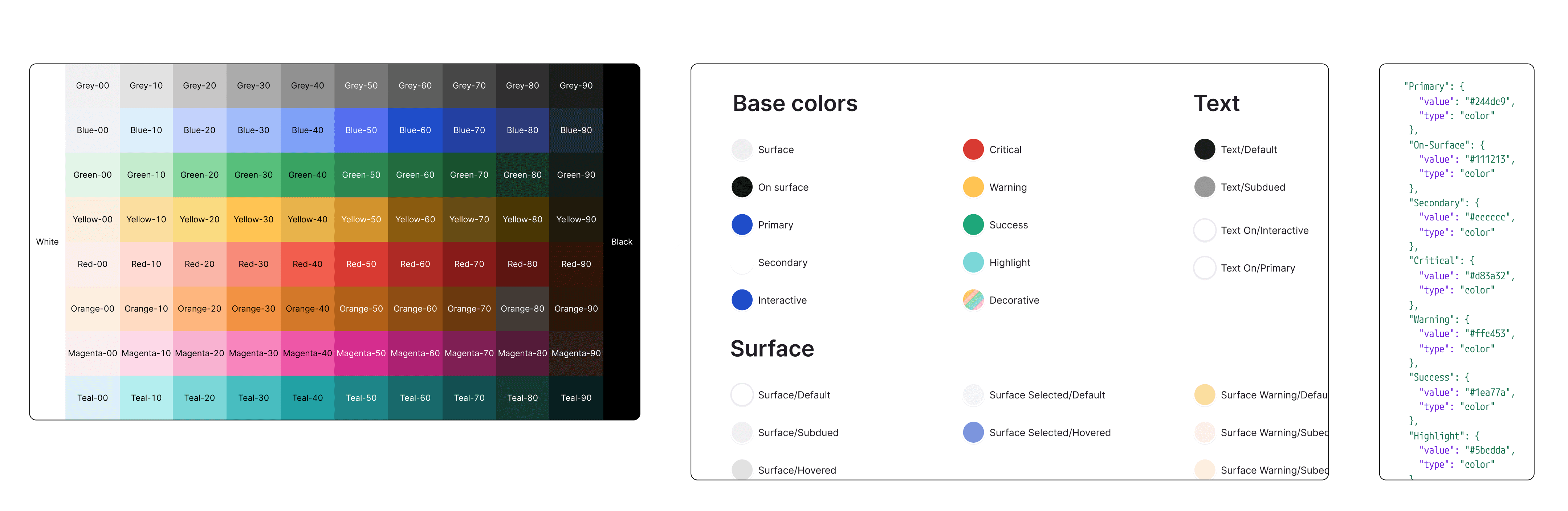
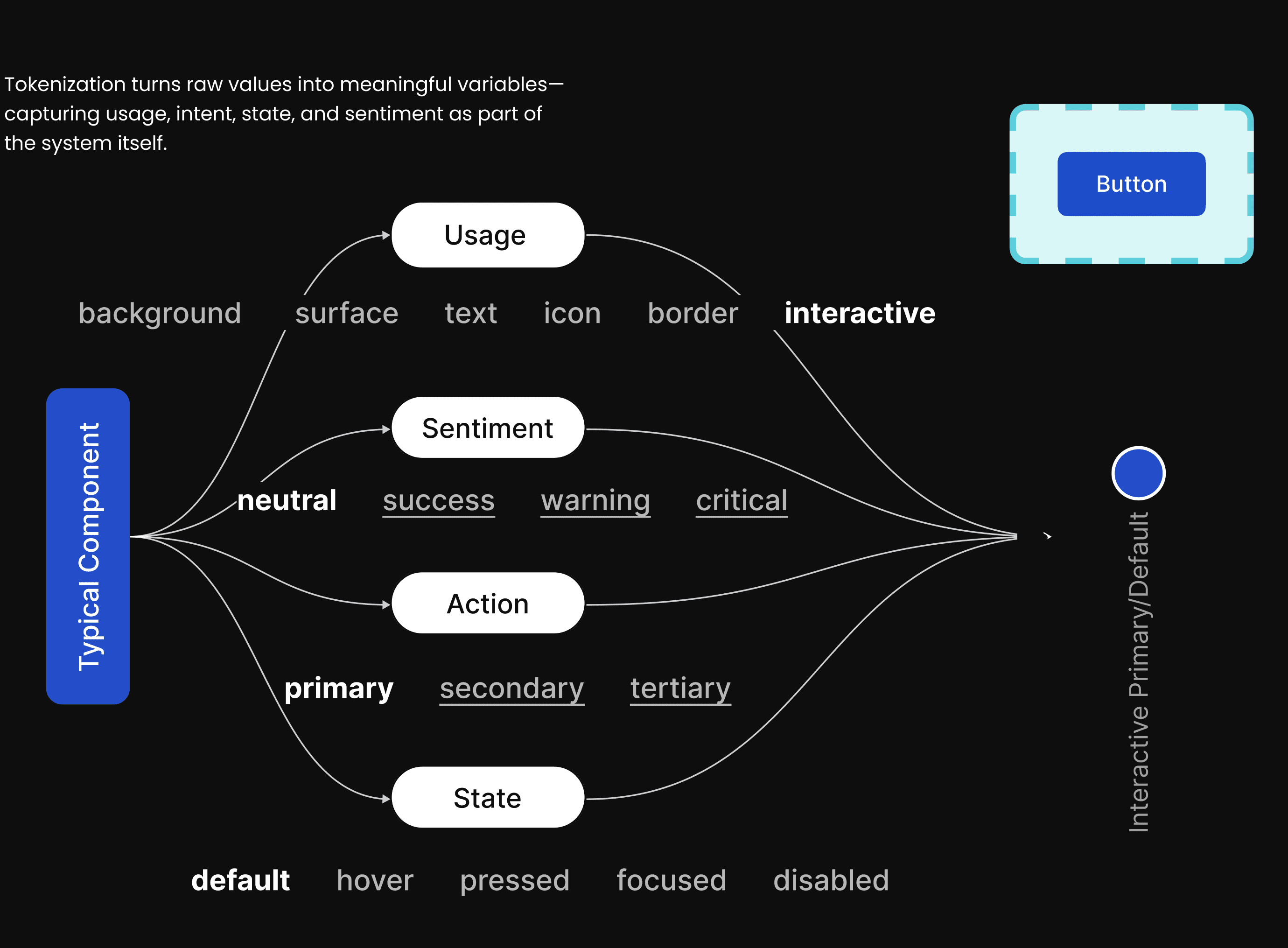
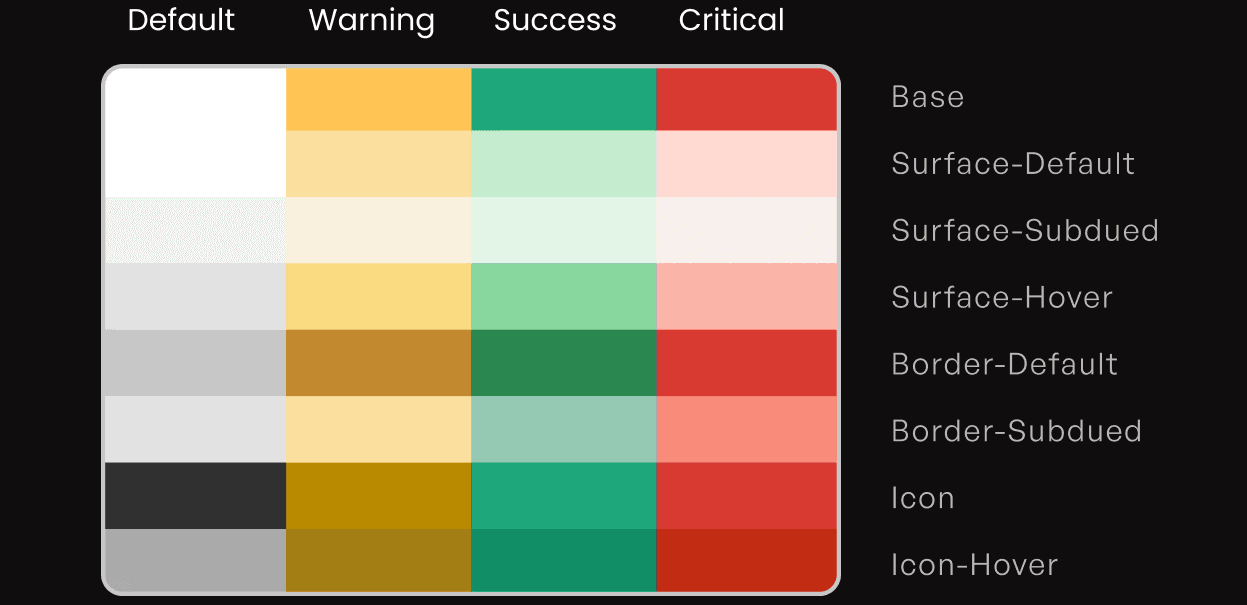
At first glance, tokenizing the system adds complexity. Components now have parents, variants, and states. Colors are no longer just a palette, but a structured set of tokens tied to usage, sentiment, action, and state. This makes the system more involved to build—and slightly harder to maintain.
A product can be built with a simple UI kit and hex codes. That approach works early on. The challenge isn’t getting started—it’s scaling.
When joining Hucu, it was clear the product was built for the long term. The team would grow, features would expand, and future requirements—such as accessibility and theming—would eventually reshape the product’s foundation. Designing without a system prepared for that scale would introduce friction later.
Tokenization removes ambiguity. Designers no longer second-guess which color to use for a border, text, or background. Instead, intent is encoded into the system. This allows teams to focus on building features, while the system maintains consistency and accessibility over time
Handshakes. Not Handoffs
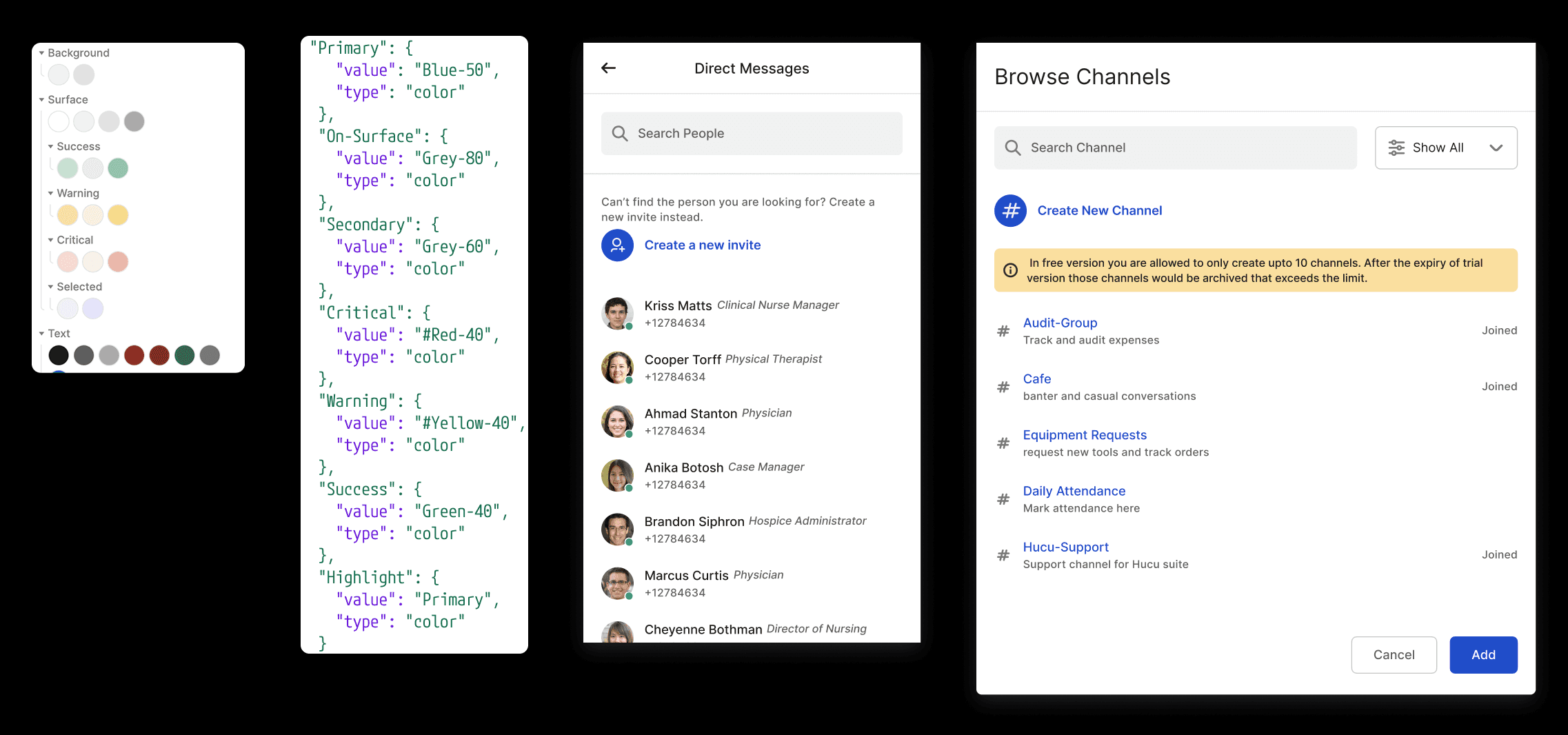
What I value most about tokens is how they bridge the gap between design and engineering. Both teams start speaking the same language—design intent is encoded, not explained.
Updating the design system or introducing themes is no longer a heavy lift for developers. In most cases, it comes down to updating a JSON file rather than reworking components.
This shared model reduces ambiguity, speeds up iteration, and keeps design decisions consistent as the product evolves.
An Anti-Thesis on Tokens
Complexity is inevitable in any system built to scale. The risk isn’t complexity itself, but rigidity—systems that can’t adapt without breaking.
Tokens and variants are meant to reduce friction, not introduce bureaucracy. They are tools, not rules. They should evolve, be replaced, and sometimes retired altogether.
A good design system doesn’t preserve decisions—it makes changing them easier.